If you’ve ever held a “too-cheap-to-be-true” knit and wondered what the catch is, this one’s for you. We’re breaking down the real math behind what you buy, what you keep, and what quietly falls apart: so you can build a wardrobe that feels personal, lasting, and genuinely easier on your wallet over time.
We’ve all been there: standing in a fast fashion store, holding a $15 sweater and wondering how something can be so cheap. Then we walk past a boutique where a similar sweater costs $120, and we think they must be crazy. But here’s the thing: when it comes to your wallet and your wardrobe, the cheapest option isn’t always the smartest choice.
Let’s break down the real costs of fast fashion versus intentional style, because the answer might surprise you.
The Sticker Shock Reality
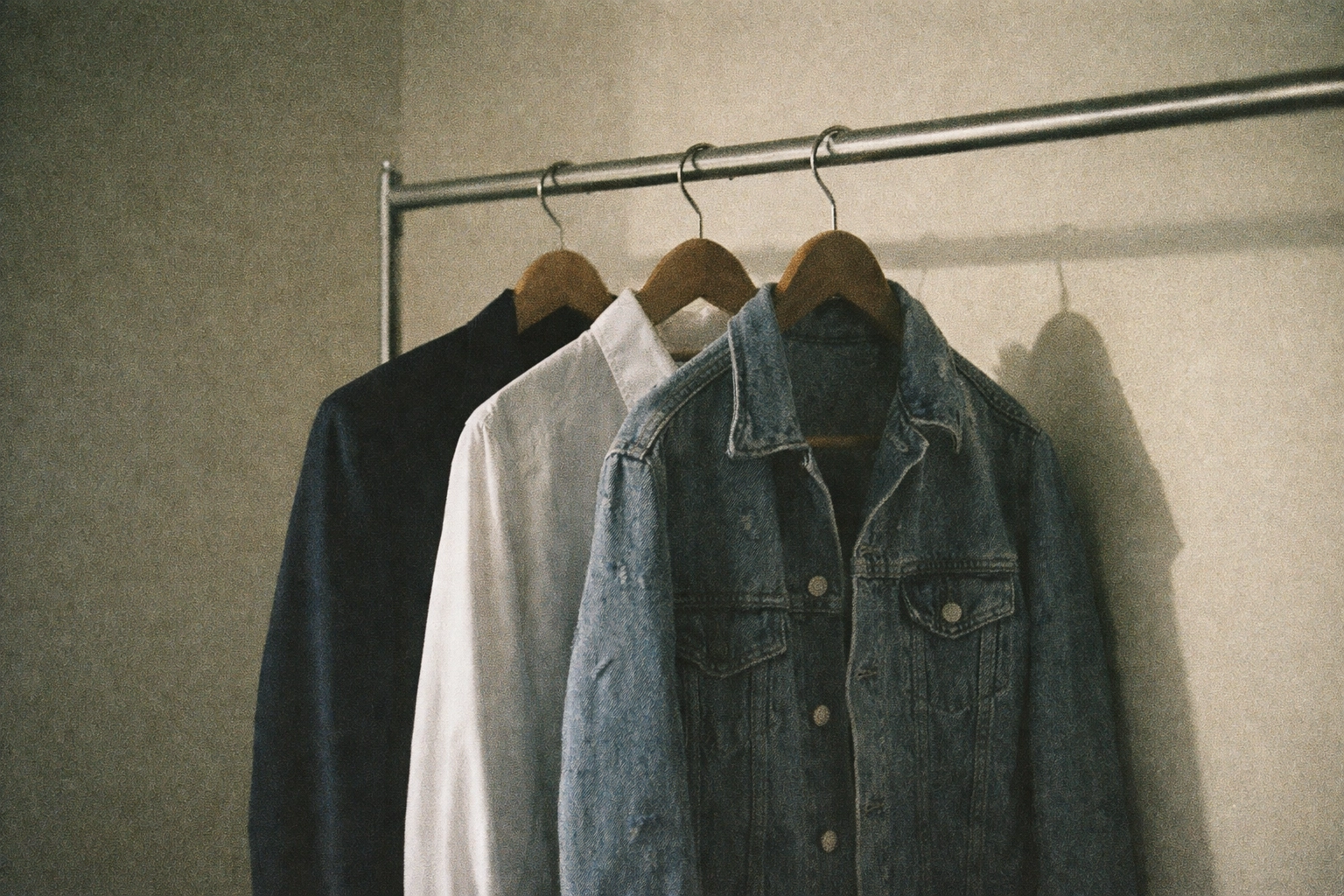
When you first compare prices, fast fashion seems like the obvious winner. You can walk out with an entire outfit for under $50: a basic tee for $8, jeans for $20, and a cute sweater for $15. Meanwhile, intentional fashion brands are asking $50 for that tee, $100 for those jeans, and $120 for the sweater. But here’s what’s happening behind those low prices: fast fashion companies cut costs by using cheap materials, paying workers unfairly, and skipping quality control. They’re essentially passing hidden costs onto you: costs that show up later when your clothes fall apart, fade, or shrink after a few washes.
The 5-Wear Rule vs. The 100-Wear Reality
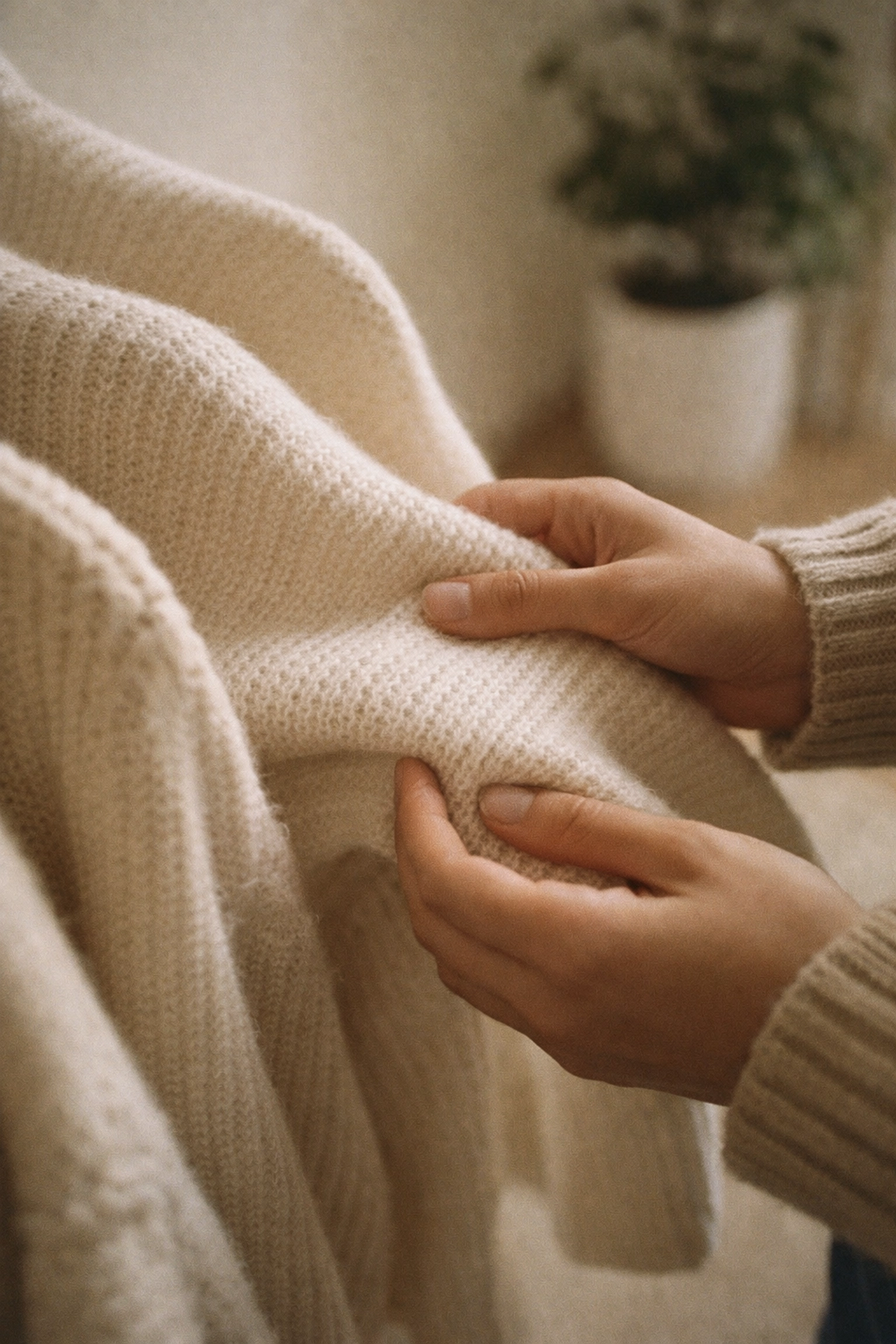
Here’s where things get interesting. That $15 fast fashion sweater? Most people wear it about 5-10 times before it starts looking worn out, pills up, or loses its shape. But a well-made $120 sweater can easily be worn <span>100+ times</span> and still look great.</p>
<p>Let’s do the math:</p>
<ul>
<li>Fast fashion sweater: $15 ÷ 8 wears = $1.87 per wear</li>
<li>Quality sweater: $120 ÷ 100 wears = $1.20 per wear</li>
</ul>
<p>The quality piece actually costs less per wear, and that’s before considering that you might need to replace the fast fashion sweater multiple times while the quality one is still going strong.</p>
</div>
The Hidden Costs Nobody Talks About
Fast fashion seems cheap until you add up all the hidden expenses that come with it: Constant Replacement When your clothes fall apart after a few wears, you’re back at the store buying replacements. That $15 sweater becomes $45 when you’ve bought it three times in one year. Special Care Requirements Many fast fashion pieces are made with synthetic materials that require dry cleaning. At $10-15 per cleaning, that $20 dress suddenly costs $35 after its first cleaning: and that’s assuming it survives the process. The Fit Lottery Fast fashion sizing is notoriously inconsistent. You might order the same size in the same style and get two completely different fits. Returns cost time and often money, not to mention the frustration.
Quality: What You’re Actually Paying For
<div>
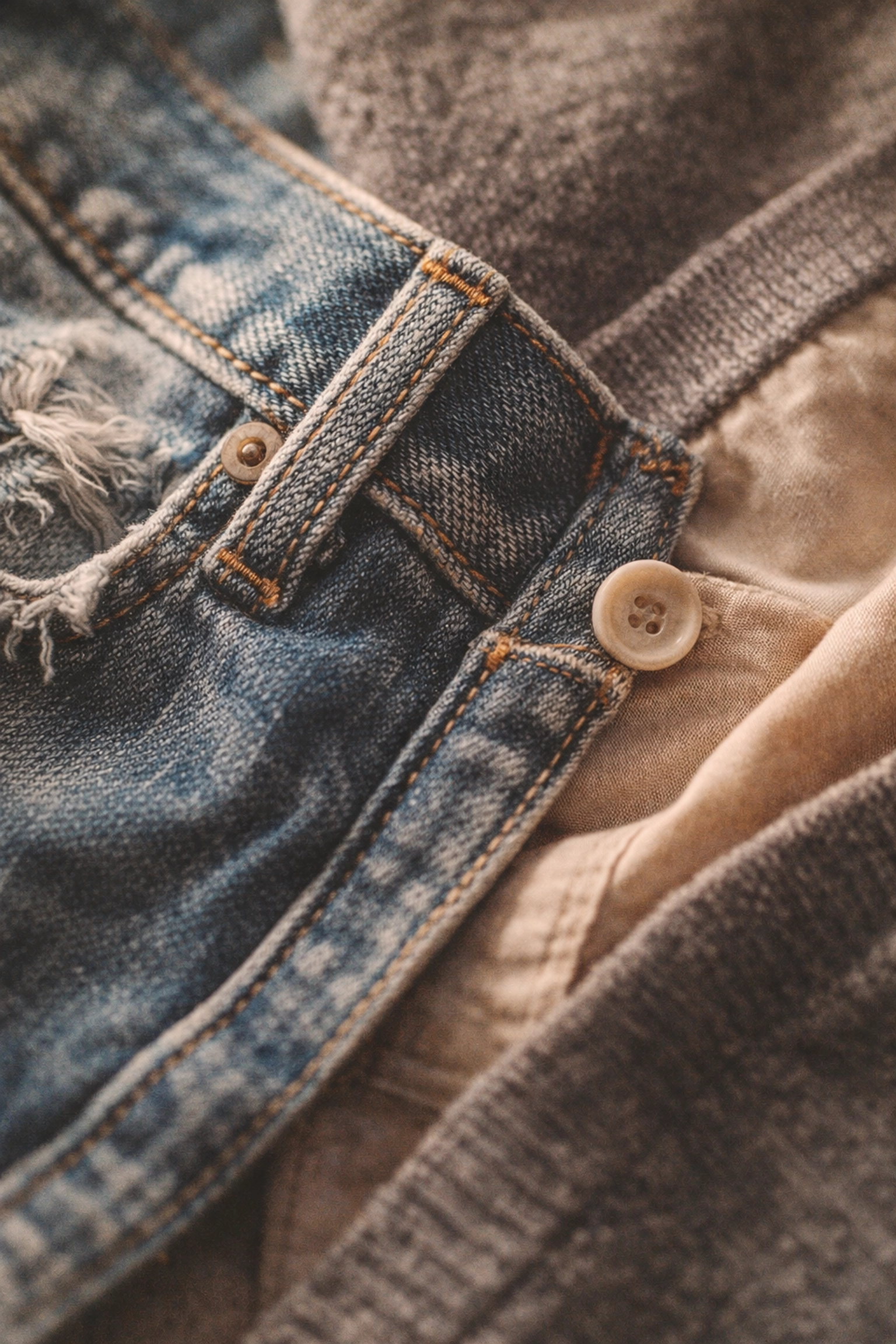
  <p>When you buy intentional fashion, you're investing in <span>the parts you don't notice until they're missing</span>:</p>

  <p><strong>Better Construction</strong><br />
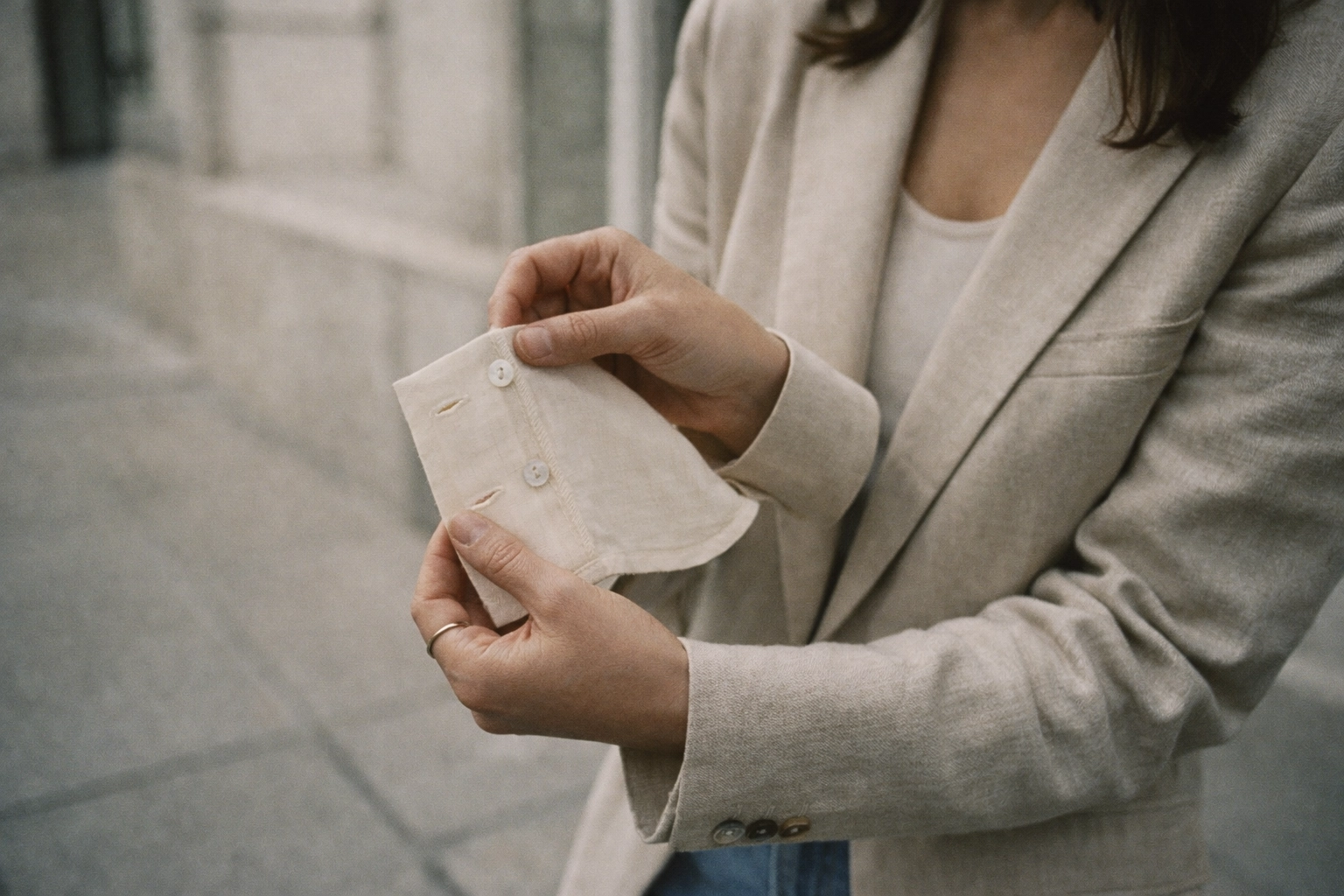
  Quality brands use techniques like <span>double-stitched seams</span>, reinforced stress points, and proper finishing. These details might seem small, but they're what keep your clothes looking good wash after wash.</p>

  <p><strong>Superior Materials</strong><br />
  Natural fibers like organic cotton, linen, and wool not only feel better but actually improve with age when cared for properly. Fast fashion synthetics often look tired after just a few wears.</p>

  <p><strong>Thoughtful Design</strong><br />
  Quality brands invest in fit and pattern-making. When you find a brand that works for your body type, you can trust that their pieces will consistently fit well.</p>

  <p><strong>Timeless Style</strong><br />
  While fast fashion chases trends that'll be outdated next season, intentional brands focus on classic styles that work year after year.</p>
</div>
The Real Cost Breakdown
Let’s look at a realistic scenario over two years: Fast Fashion Approach:- 4 basic tees at $10 each (replaced twice) = $80
- 3 pairs of jeans at $25 each = $75
- 6 sweaters at $15 each (some replaced) = $90
- 2 dresses at $20 each (replaced once) = $60
- Total: $305
- 2 quality tees at $40 each = $80
- 2 pairs of quality jeans at $80 each = $160
- 2 quality sweaters at $100 each = $200
- 1 quality dress at $120 = $120
- Total: $560
Building a Wardrobe That Actually Works
The smartest approach isn’t necessarily choosing one or the other: it’s being strategic about where you invest. Invest in Foundation Pieces Put your money toward items you wear frequently: a great pair of jeans, basic tees, a versatile blazer, and comfortable shoes. These pieces see the most wear, so quality really matters here. Be Strategic About Trends Love experimenting with trends? There’s nothing wrong with picking up a trendy piece at a lower price point, especially if you’re not sure how much you’ll wear it. Just be honest about whether it’s a fun experiment or a long-term wardrobe staple. Focus on Cost Per Wear Before buying anything, ask yourself: “How many times will I realistically wear this?” If it’s a lot, invest in quality. If it’s just a few times, maybe save your money.The Environmental Angle (That Saves Money Too)
Here’s another cost that’s easy to overlook: the environmental impact. Fast fashion is one of the biggest polluters globally, and those environmental costs eventually come back to us all through climate change, health impacts, and resource scarcity. When you buy quality pieces that last longer, you’re not just saving money: you’re reducing demand for the constant production cycle that fast fashion requires. It’s a win for your wallet and the planet.
Finding Your Balance
You don’t need a complete wardrobe overhaul overnight. Start small:- Audit what you already own. What pieces do you reach for again and again? What’s sitting unworn?
- Identify your gaps. What’s missing that would make getting dressed easier?
- Invest gradually. Replace worn-out basics with higher-quality versions one piece at a time.
- Set a cost-per-wear goal. Aim for pieces you can wear at least 30 times to make them worthwhile investments.